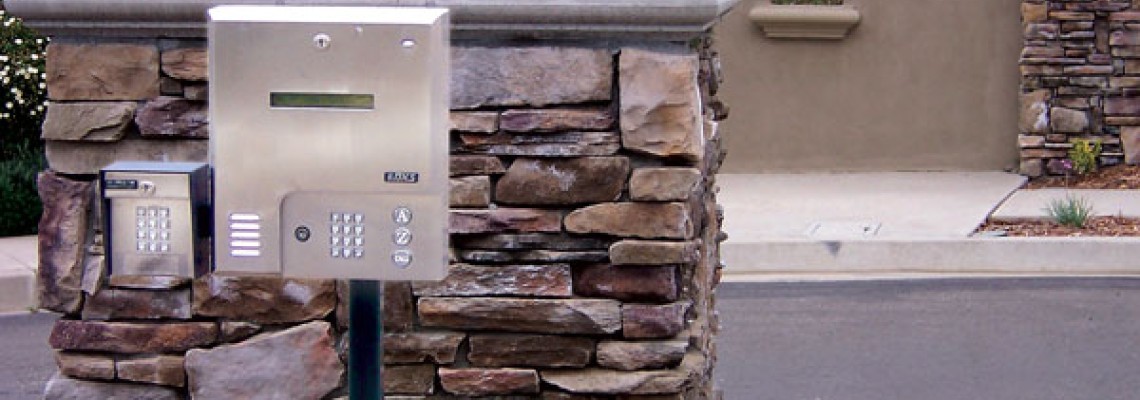
I've been installing and programming gate access systems since before most property managers had a cell phone in their pocket. With more than 30 years of experience DoorKing and in the industry the question I get more than any other from apartment owners and HOA managers is still the same: "What telephone entry system should I use?" The answer may seem simple, but it isn't. Today, there are many types of “multi-tenancy properties”, owners, and needs. One company has been around the longest and has adapted better than most: DoorKing. It's not because I sell it — though we do, and have for decades at Gate Openers Direct. It's because in 30-plus years of field experience, nothing else in this category holds up the same way, integrates as cleanly, or has the parts and support network to back it up five or ten years after installation. When I'm recommending a system that's going to be bolted to a post at the entrance of a property and expected to work in Texas heat, Colorado winters, or coastal Florida humidity without constant babysitting, I put my name behind DoorKing often. This guide covers everything a property manager or community association needs to know before buying: how telephone entry works, why DoorKing specifically, which models fit which properties, the cellular vs. landline questions, installation considerations, and the most common mistakes I see people make. Let's get into it.
What Is a Telephone Entry System?
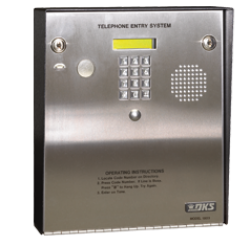
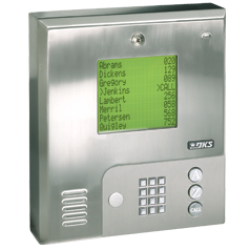
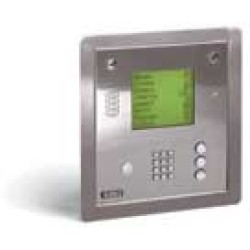
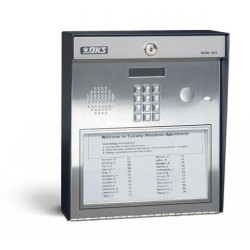
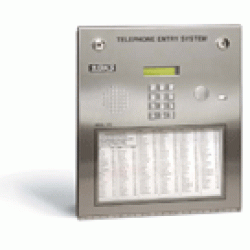
A telephone entry system, also known as a telephone access control system, is a handy device installed at a property entrance. It lets visitors easily reach a resident or tenant directly from the gate. Visitors can look up the resident in the directory, press the appropriate button, and the system will call the resident's phone. Once the resident answers, they can communicate through the intercom on the panel. If they choose to grant access, they simply press the 9 key on their phone — which sends a special signal back to the system — causing the gate or door to open smoothly. No app required. No internet connection needed for the core function. The visitor uses the panel; the resident uses whatever phone they're already carrying. That simplicity is a big part of why telephone entry systems have remained the standard for apartment complexes and gated communities for decades.
POTS vs. Cellular
Until a few years ago, most telephone entry systems operated on a POTS line—Plain Old Telephone Service, the copper wire landline established since the Bell era. Individuals contacted their telephone service providers to install a dedicated line to the gate post, and the system utilized this line to make calls. This setup was straightforward, dependable, and entailed predictable monthly expenses. Subsequently, telephone companies began discontinuing POTS infrastructure. This transition is no longer speculative or a concern for the future; the traditional copper telephone network has been decommissioned in numerous regions and is gradually being phased out elsewhere. If you still use a POTS line in 2026, you'll likely pay a substantial premium for an outdated service or risk a non-functional gate due to potential service disruptions.
The modern alternative is cellular technology. A cellular communicator, either integrated into the entry system or added as a module, connects to the carrier network similarly to a mobile phone. This eliminates the requirement for landline service. In many instances, cellular connectivity now exceeds the reliability of POTS, owing to built-in redundancy within carrier networks, which a single copper wire to a gate post could not provide.
Further details will be discussed later; however, the key recommendation is: if you acquire a new DoorKing telephone entry system in 2026, opt for the cellular version. Full stop.
Why DoorKing Specifically?
There are many other brands available in the market, and I acknowledge that. However, I want to share why I often recommend DoorKing — also called DKS — especially for apartment complexes and gated communities.
Reliability and Build Quality
DoorKing products are built to survive long-term outdoor installation. The housings are substantial, the electronics are well-protected, and the user interfaces hold up to thousands of entries per year. I've seen DoorKing units that were installed in the mid-2000s still functioning because the property finally upgraded, not because the system failed. That kind of longevity is rare in access control.
Installer Familiarity
When you buy a DoorKing system, you're buying into an ecosystem that thousands of professional installers know inside and out. That matters when something needs to be reprogrammed, when you call a technician for an emergency, or when you bring in a new property management company. DKS telephone entry systems have been so widely deployed for so long that qualified help is genuinely easy to find.
Parts Availability
DoorKing maintains a genuine parts supply chain. If a display goes out, a circuit board needs replacement, or a keypad wears down, parts are available. Some competing products essentially orphan you the moment the manufacturer updates the product line. DKS doesn't operate that way.
Software and Programming Tools
DoorKing's DKS Easy Connect cloud platform has made remote management genuinely practical for property managers. You don't need a laptop with a special cable and a physical visit to the gate every time you need to update the directory, change access codes, or add new residents. That's a significant operational advantage for multi-property managers, especially.
DoorKing Model Breakdown
DoorKing makes a range of telephone entry systems. Two models come up most often in my conversations with apartment and gated community clients.
DoorKing Model 1810
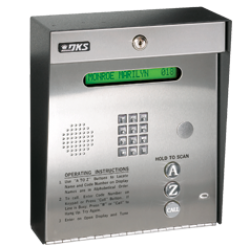
The Model 1810 is the right choice for small to medium apartment complexes and gated residential communities. It's a clean, straightforward telephone entry system with a well-designed directory and a solid feature set that covers the needs of the vast majority of residential access applications.
The 1810 supports call-to-open functionality and directory management, and it can be connected to cellular or landline service. Programming is handled through DKS Easy Connect, allowing you to manage the resident directory remotely without visiting the gate. The form factor is compact and fits standard post or pedestal installations without issue.
If you're managing a property with a manageable number of units and need a reliable, professionally supported system that won't break the budget, the Model 1810 is where I'd start the conversation.
DoorKing Model 1833
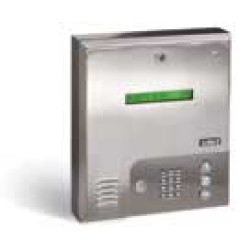
The Model 1833 is recommended for larger properties and complex access control setups. It can accommodate up to 3,000 resident numbers in its directory and 8,000 device codes, making it suitable for large apartment complexes or multi-gate communities with many households. Additionally, the 1833 supports up to 48 wired access points from a single controller, allowing you to manage multiple gates, pedestrian entrances, amenities, and secured doors from one platform. This integrated approach significantly reduces administrative efforts compared to managing multiple separate systems. For property managers overseeing large communities with diverse access needs for residents, guests, and vendors across multiple entry points, the DoorKing 1833 offers ample capacity and centralized control.
Cellular vs. Landline in 2026
I want to be direct about this because I still see property managers hesitating on the cellular upgrade. The POTS sunset is real and ongoing. Major carriers have been decommissioning legacy copper infrastructure under FCC rule changes that began taking effect in 2022. In many markets, properties are already finding that their phone company simply won't service a problem with a dedicated gate line the way they once did. Cellular telephone entry systems don't depend on any of that. They operate on carrier networks that are actively maintained and expanded. Signal coverage in residential areas is generally excellent, and modern cellular communicators designed for access control applications are engineered for the kind of unattended outdoor installation that a gate entry system represents. If you have an older DoorKing system still running on a POTS line, the question isn't whether to upgrade to cellular — it's when. If you're buying new in 2026, there's no legitimate reason to start with a landline-dependent configuration. Get the cellular version and you're set for the foreseeable future.
Installation and Programming Considerations
A DoorKing telephone entry system is not a DIY project. These systems must be properly grounded, correctly wired to the gate operator, and programmed by someone who knows what they're doing. An improperly installed system fails intermittently in ways that are maddening to diagnose, and an improperly programmed one creates security gaps you won't know about until something goes wrong.
DKS Easy Connect
DoorKing's DKS Easy Connect platform is the current standard for managing DKS telephone entry systems remotely. Once properly installed and connected, Easy Connect allows you to update resident directories, manage device codes, add and remove access permissions, and pull activity reports from a web browser or mobile device — without being at the gate and without specialized software.
Use a DKS-Familiar Installer
Find an installer who knows DoorKing systems specifically. Not just someone who installs gates, and not just someone who does "access control" generically. DKS products have their own programming conventions, their own wiring standards, and their own quirks — and an installer who's done dozens of them will get it right the first time where a generalist will be learning on your property's dime. Ask the installer directly how many DoorKing telephone entry systems they've commissioned. If the answer is vague, keep looking.
Common Mistakes Property Managers Make
Buying the Wrong Size System
The single most common error is buying a system sized for the property you have today rather than the property you'll have in two years. If you're at 150 units and expecting to add 80 more, don't buy a system at its capacity ceiling. Upgrading an access control system mid-development is expensive and disruptive. Understand the capacity tiers, and buy the appropriate model for where the property is going, not just where it is.
Skipping the Cellular Upgrade
Choosing a landline-dependent installation in 2026 because cellular costs a little more upfront is a false economy. In many cases the only reason the property still has a pots line is simply for a system like the entry phone. Most often, you will pay more to maintain a POTS line over the system's lifetime, and you will eventually face a forced conversion under worse circumstances — probably when the landline fails and service is unavailable. Do it right the first time.
Leaving Default Programming Codes Unchanged
This one is serious, and I'm going to address it directly because it's a documented vulnerability that affects real properties. DoorKing systems, like most access control hardware, ship with factory default programming codes. These defaults are publicly known — they're in the installation manuals, which are available online, and they've been documented in security research and hobbyist communities for years. If your installer walks away without changing the default installer code and any other factory defaults, your access control system has a known, publicly documented backdoor. Anyone with that information can access the programming mode of your system and modify it — adding unauthorized codes, removing legitimate ones, or simply unlocking the gate.
The fix is trivial — any competent installer changes default codes during commissioning as a matter of basic professional practice — but I know from experience that it doesn't always happen. When you commission a new DoorKing telephone entry system, confirm with your installer that they changed all factory default codes. Ask them to document the new codes and store them securely. This is not optional.
Ready to Find the Right DoorKing System for Your Property?
Whether you're outfitting a 50-unit complex with a clean, simple DoorKing telephone entry system or speccing a large gated community with multiple access points and hundreds of residents, Gate Openers Direct in Houston Texas has the experience, products and the expertise to help you get it right.
At Gate Openers Direct, we've been supplying DoorKing systems to property managers, HOAs, and access control installers for years. We know these products in depth, and we're here to answer questions before you buy — not just after something goes wrong.
Browse DoorKing Telephone Entry Systems at https://www.gateoperator.net/doorking-telephone-entry
If you're not sure which model fits your property, reach out. I'm happy to talk through the specifics with you directly. Getting the right system specified before installation saves everyone time and money — and it's exactly the kind of conversation we're set up to have.