
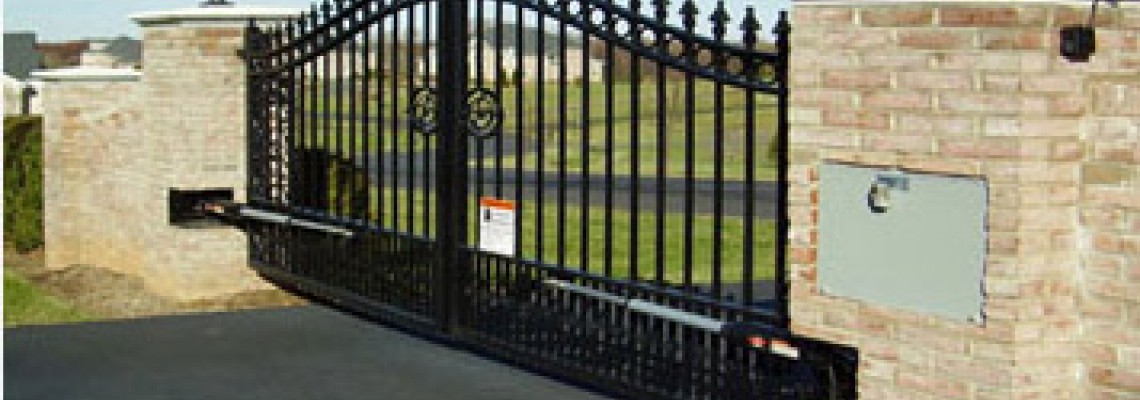
Key Takeaways
- Most electric gates from brands like Doorking, Nice, and Viking Access Systems include a manual release so you can open them during a power outage or motor failure
- You must first identify your gate type (sliding, swing, or underground) and locate the specific manual release mechanism before trying to move the gate
- Turning off the power at the disconnect switch or circuit breaker and clearing the area around the gate prevent sudden movement and injuries
- Forcing a gate without properly disengaging the operator can strip gears, bend racks, or damage hinges, leading to costly repairs
- Gate Openers Direct can help you identify your exact operator model and provide replacement keys, parts, or a new opener if the existing one is failing repeatedly
Quick Steps: How to Open an Electric Gate Manually in an Emergency
If you become stuck inside or outside of your gate during a power outage or facing a system malfunction, you need quick manual access. This checklist gives you the fastest possible sequence to safely open electric gate systems when automatic operation fails.
- Step 1: Ensure the gate has completely stopped moving before approaching
- Step 2: Turn off power at the local disconnect switch or main breaker feeding the gate
- Step 3: Find the manual release on the motor unit or articulated arm (on models that have that feature).
- Step 4: Insert the manual release key or move the release lever to disengage the motor
- Step 5: Gently push or pull the gate open manually using steady, moderate pressure
- Step 6: Secure the gate in the fully open by simply reversing that process or disengaging the manual release to prevent unexpected movement
- Never stand in the path of the gate while moving it manually, and do not allow children to operate the release mechanism
- Detailed, gate-type-specific step by step instructions for sliding gates, swing gates, and underground systems appear in later sections of this guide, but the most accurate description is included in your factory manual that came with your equipment.
- These steps apply broadly across common operator brands including LiftMaster, Nice, Linear PRO, All-O-Matic, and BFT, even though specific details may vary by model
Understanding Your Electric Gate System
The process to manually open an electric gate depends heavily on whether you have a sliding gate operator, a swing gate opener, or an underground motor system. Each configuration has its motor unit mounted in a different location, which means the manual release procedures vary accordingly.
On a typical U.S. driveway, a sliding gate moves horizontally along a track with a side-mounted operator that engages a chain and sprocket OR a toothed rack running the length of the gate. Swing gate openers feature articulated arm gate openers or ram-style motors attached directly to the gate posts or pillars with hinges attached to the gate leaf. Underground gate openers keep the motor hidden below ground level, with only small access covers visible near the base of each gate leaf.
- Look for the operator label or data plate on the motor housing—this shows the model number and brand, helping you match exact instructions and purchase correct parts from Gate Openers Direct in Houston Texas.
- Many modern systems, including models sold by Gate Openers Direct, have built-in manual release mechanisms as part of UL325-compliant safety design that detect obstacles and prevent accidents
- Multi-tenant or commercial properties may have multiple operators and access control devices like keypads and telephone entry systems, but the manual release is always at the operator itself, not at the control box or keypad
Main Electric Gate Types You’ll Deal With
Understanding which type of electric gate system you have is the first step toward successful manual operation.
Sliding Gate Operators:
- Gate moves horizontally along a ground track
- Motor unit is typically located beside the gate track, near the fence line
- Manual release is usually found on the motor housing, often behind a protective cover
- Examples include USAutomatic Patriot SL, NICE, VIKING ACCESS and HySecurity brands of gate openers.
Above-Ground Swing Gate Openers:
- Gate swings open like a door, pivoting on hinges
- Motor sits on the arm attached to the gate post or pillar, with visible motors on each leaf
- Manual release is located on the arm mechanism or motor body
- Examples include Nice Titan, USAutomatic Patriot and RangerHD models, Viking G5, E4, R6, F1 and T21 Models.
Underground Swing Gate Motors:
- Motor is buried in a foundation box at the base of each gate leaf
- Only a small cover or key slot is visible at ground level
- Manual release key slot is positioned directly above the underground motor
- Examples include Nice Metro and BFT underground systems
Knowing your gate type upfront prevents trial-and-error attempts that can result in bending the gate structure or stripping internal gears.
Safety First: What to Do Before You Touch the Gate
Gates on residential and commercial properties can weigh several hundred pounds, and they can move unexpectedly when tension or mechanical locks are released. Taking proper safety precautions before attempting to manually operate your gate is essential for preventing injuries and equipment damage.
- Clear all vehicles, people, pets, and delivery drivers from the gate’s swing or slide path before attempting the manual release
- Turn off power at the local disconnect switch, plug, or dedicated breaker—many U.S. residential gates are on 120V circuits often labeled “gate” or “opener” at the circuit breaker panel
- Never open junction boxes or touch bare wires; prioritize safety by shutting off the breaker rather than improvising with electrical components
- Wear closed-toe shoes and gloves if handling metal components, and avoid loose clothing that can catch on moving parts
- Never try to “beat the gate” by walking or driving through while someone else is manually moving it
Common Hazards Around Stuck Electric Gates
Certain issues make manual operation more dangerous, and you should check for these visually before proceeding with any release mechanism.
| Hazard | Why It’s Dangerous | What to Do |
| Visibly bent gates | Hidden structural damage may worsen | Call a professional |
| Leaning posts | Gate may fall when released | Do not attempt manual release |
| Broken welds | Structural failure risk | Contact a gate technician |
| Sagging tracks | Sliding gate may derail | Clear debris, proceed carefully |
| Ice buildup | Frozen mechanisms can break | Allow thawing or call for service |
| Vehicles parked too close | Movement path obstruction | Move vehicles before releasing |
If your gate was hit by a vehicle—even days earlier—manual forces can make hidden damage worse. In these emergency situations, a professional should be called rather than risking further damage or injury. |
If you hear loud grinding from the motor housing when attempting to move the gate, stop immediately. This typically indicates internal damage that requires professional service rather than additional force.
How to Locate and Use the Manual Release Mechanism
Virtually all modern gate openers have a manual or emergency release mechanism that disconnects the motor from the gate so it can move freely by hand. This is a standard safety feature designed specifically for situations like power outages or mechanical failure.
The gate’s release mechanism typically appears in one of several forms:
- Key-operated cylinders on the motor cover
- Levers or knobs under a flip-up lid
- Pull handles on the arm for many residential units
- Allen key access points behind protective caps
The manual release key(s) always ship with the operator kit when the system is new. Store a spare release key in a lockbox near the gate, in your vehicle, or in another easily accessible location for emergency situations.
If you don’t know where the release is located on your specific system, you can search for your operator model on the Gate Openers Direct website to find manuals and documentation, or call for guidance on your exact setup.
After properly engaging the release, the gate should move with firm but moderate hand pressure. If it still resists, something is still engaged or jammed—do not use excessive force.
If You Don’t Have the Manual or Can’t Find the Key
Many homeowners misplace the override key years after electric gate installation, leaving them without quick manual access when they need it most.
Start by checking obvious storage spots:
- Key rings in the garage or kitchen
- Drawers near the gate’s remote control storage
- Inside the gate control box
- Small plastic bags zip-tied near the operator inside the fence line
Gate Openers Direct can often source exact replacement keys if you can supply the brand and model information. Common systems like USAutomatic Patriot and Ranger HD, Nice Titan, or VIKING E4 models use specific key types that are available as replacement parts.
Critical warning: Do not drill out cylinders, pry open housings, or force the gate with a vehicle when a key is missing. This approach can destroy the operator and gate structure, resulting in repairs far more expensive than obtaining the proper tools.
If your property access situation is urgent and no key is available, contact a local gate installer or locksmith for on-site help. They have experience with different manual release mechanisms and can often gain access without damaging the system.
Step-by-Step: Manually Opening Different Gate Types
The following subsections provide gate-type-specific walkthroughs written as clear, practical steps rather than technical jargon. As of 2025, most residential and light commercial gate systems in the U.S. follow these general procedures.
- Use gentle, steady movement when operating any gate manually
- Never let the gate roll or swing on its own once disengaged from the motor
- Keep one hand on the gate and one hand free for balance, especially on sloped driveways
- Move at a pace no faster than normal operation would allow
Opening a Sliding Gate Manually
A sliding gate moves horizontally along a track and is driven by a side-mounted motor that engages a toothed rack running along the bottom or side of the gate panel.
Step-by-step process:
- Locate the motor unit by the fence line—sliding gate openers are typically located at one end of the gate’s travel path
- Turn off power at the disconnect switch or breaker to ensure power isolation
- Open or unlock the plastic or metal motor cover if necessary to access the release
- Find the manual release knob, lever, or key cylinder on the motor housing
- Insert the release key and turn according to the gate opener’s manual instructions—on many operators like Viking K2SPS, L3SPS or H10SPS, USAutomatic Patriot RSL series, or HySecurity SlideSmart and SlideSmartHD, this involves turning the key and rotating a lever to disengage the gear and allow the chain to roll freely.
- Once released, slide the gate open along the track by hand
- Walk with the gate and avoid sudden pushes to prevent it from slamming into end stops
Before forcing the gate if it feels stuck, check for debris in the track—rocks, branches, ice, or other obstructions. If significant resistance remains after clearing visible blockages, stop and seek professional assistance.
Opening a Swing Gate Manually (Above-Ground Motors)
Above-ground swing gate openers include arm-style operators (articulated arm or straight arm) and actuator style motors attached to gate posts or pillars.
For articulated arm or arm-style units (e.g., Nice Titan, Viking E-4, USAutomatic RangerHD and others):
- Locate the release on the arm mechanism or at the motor base
- Insert the manual release key into the designated slot
- Turn the key to the “manual” position as indicated on the housing
- Carefully push or pull the gate leaf to swing it open by hand
- For dual swing systems, repeat for each leaf separately
For ram-style operators:
- Find the keyhole or lever at the rear of the ram cylinder
- Unlock and rotate the mechanism to decouple the ram screw from the gate
- Gently swing the gate leaf open by hand
Secure both leaves in the fully open position with latches, chains, or temporary straps. Wind can move large swing gates unexpectedly, so never stand between a gate leaf and a fixed object like a post, wall, or vehicle while the gate is free to move.
Opening Swing Gates with Underground Motors
Underground systems keep the motor buried in a foundation box at the base of each gate leaf, leaving only a small cover or access point visible above the driveway surface.
Step-by-step process:
- Look near the hinge end of the gate for a metal or plastic cap or key slot on top of the foundation box—this is typically located slightly above driveway level
- For common underground brands like Nice Metro or BFT Eli, insert the special manual release key into the slot
- Turn the key as directed to release the motor’s hold on the pivot mechanism
- Allow the gate leaf to swing freely by hand
- Repeat for each gate leaf on dual systems
Underground boxes can sometimes fill with water or debris over time if they were not installed with the proper drainage. If the release feels seized or unusually stiff, do not apply excessive force. Contact a technician to inspect the system rather than risk damaging the buried motor unit.
After completing manual operation, close any opened lids or covers to keep water and dirt from damaging the underground motors.
What to Do After You’ve Opened the Gate
Once the gate is open and access is restored, you still need to secure it properly and plan for returning to automatic function.
- Secure the gate fully open using existing latches, chains, or temporary wedges so it doesn’t roll or swing shut while people or vehicles pass through
- Avoid leaving the gate partially open—wind or gravity can move it unpredictably and strain the operator when power returns
- Make a quick visual inspection for damage: look at hinges, racks, posts, tracks, and any exposed wiring for obvious issues before re-energizing the system
- Note your operator model and any problems you encountered so you can contact Gate Openers Direct or a local installer with accurate information
Re-engaging the Motor Once Power Is Restored
Returning to automatic operation requires proper re-engagement to avoid incomplete connection or mechanical grinding.
- Reverse the manual release process: turn the key or lever back to “locked” or “automatic” position
- Verify the gate no longer moves freely by hand—this confirms the motor is engaged
- Restore power at the breaker or disconnect switch
- Test the gate using the remote control, keypad, or push button while watching the full cycle
- Check for smooth travel and proper stopping at the limit positions
If the operator chatters, stalls, or stops mid-cycle after re-engagement, switch it off immediately and seek professional help to avoid burning out the motor.
Many modern operators have diagnostic LEDs on the control board that indicate error codes. Gate Openers Direct can help interpret these codes and recommend appropriate next steps for your specific system.
Common Problems When Trying to Open an Electric Gate Manually
Even when following proper procedures, several obstacles can prevent successful manual operation of your electric gate system.
Physical obstructions:
- Dirt or gravel buildup in sliding gate tracks
- Rusted hinges on swing gates that haven’t been maintained
- Padlocks or chains that were overlooked during initial inspection
- Debris or vegetation blocking the gate’s travel path
Mechanical issues:
- Electric or magnetic locks that stay engaged during power supply failures—these must be located and released separately
- Manual release mechanisms that turn but feel gritty or only half-engage due to internal corrosion
- Partially engaged motors that weren’t fully disconnected
If the manual release turns but the gate still won’t move, internal parts may be corroded and require professional service rather than more force. Most systems over 8-10 years old benefit from routine maintenance to keep manual releases from seizing, especially in harsh climates.
When It’s Time to Call a Professional
Not every manual-opening situation is safe for DIY handling, particularly for heavy commercial gates or visibly damaged systems.
Contact a professional if:
- The gate will not move even after proper release
- The operator makes loud grinding or banging noises
- The gate or posts are visibly bent or damaged
- You cannot locate or access the gate’s manual release mechanism
- Remote control issues persist after power is restored
Commercial properties, apartment complexes, and HOA communities should involve their regular gate service provider due to added liability and safety compliance requirements.
Gate Openers Direct can supply replacement operators, boards, limit switches, and accessories to installers when an old unit is no longer economical to repair. We also stock components for solar gate opener systems and battery backups that help prevent future access problems.
Do not keep resetting a clearly malfunctioning gate. Repeated cycling can overheat motors and create unsafe conditions that put people and property at risk.
Gate Openers Direct Can Help You Stay Prepared
Gate Openers Direct is a U.S. based e-commerce specialist in premium gate operators, access control systems, and replacement parts for both homeowners and professional installers. Based in Houston, Texas, we ship equipment throughout the country and provide support for a wide range of gate manufacturer products.
- We offer detailed product specs, gate opener’s manual documentation, and phone support to help identify existing operators and locate correct manual override keys or components
- Our inventory includes sliding gate openers, swing gate openers, barrier gate systems, and accessories like keypads, telephone entry systems, and battery backups that reduce the need for manual operation during power outages
- Contact us with your operator’s brand, model number, photos, and installation date to receive tailored advice on repair versus replacement options
- Choosing quality, UL-compliant systems with robust manual release systems makes emergency operation safer and more predictable for years to come
Whether you need replacement keys, a new control box, or advice on upgrading to a more reliable system, our team can help you safely operate your gate and maintain access to your property.
FAQs
The following questions address common concerns about manual gate operation, particularly regarding maintenance, safety, and system compatibility.
How often should I test my gate’s manual release?
Homeowners should test the manual release 1-2 times per year—for example, at the start of summer and winter. Commercial properties or HOAs might schedule quarterly checks as part of routine maintenance.
Testing involves turning off power, engaging manual mode, confirming the gate moves smoothly by hand, then re-engaging the motor and verifying normal automatic operation. Regular testing keeps the mechanism from seizing and helps you discover lost keys before a real emergency occurs.
Is it safe to leave my gate in manual mode for several days?
It is generally safe if the gate is fully open or fully closed, properly secured, and cannot roll or swing due to wind or gravity. However, there are security implications to consider—an open gate compromises access control on your property.
If you must leave the gate open during extended power outages or repairs, consider using temporary chains or locks. Clearly inform family members or tenants that the gate is in manual mode and may move more freely than usual.
Can using the manual release damage my gate opener?
Correctly using the manual release as designed by the gate manufacturer does not harm the opener. This is an intended function built into most electric gates specifically for emergency use.
Damage usually occurs only when users force the gate without fully disengaging the motor, or when they apply extreme force to a stuck release mechanism. If manual mode feels very stiff or unusual, stop and consult a technician or Gate Openers Direct for guidance before proceeding.
What if my operator is very old and doesn’t seem to have a manual release?
Some older or low-cost operators from the 1990s through early 2000s may have poorly marked or hard-to-access manual releases. Look carefully for hidden key slots or levers under covers, but avoid removing structural components like entire motor brackets.
Contact Gate Openers Direct with photos of your unit. Our team can often identify discontinued models and advise on safe manual procedures or recommend suitable modern replacements with proper safety features.
How does a battery backup change the need to open the gate manually?
Battery backup systems—such as those paired with many VIKING and USAutomatic and HySecurity operators—allow the gate to keep working automatically during short power outages, significantly reducing the need for manual opening.
However, if the outage is prolonged or the batteries are old and depleted, the system may still shut down. At that point, normal manual release procedures apply. If you live in an outage-prone area, consider adding or upgrading battery backups through Gate Openers Direct, and periodically test both the backup system and manual release to ensure reliable operation.